
The statistical office and its leaders during the Soviet time
Author: Olev Liivik
During the time of Estonian Soviet Socialist Republic (ESSR), statistics belonged under Moscow leadership and were mainly classified. The Estonian statistical authority was formally subordinated to several institutions, carried many names and essentially functioned as a branch of the centrally managed statistical administration of the Soviet Union. As the local branch acted in the interests of the Soviet Union, its leaders were also appointed by Moscow. Most of them were Russian functionaries who did not know the local conditions.
The reorganisation of Estonian government authorities started after the annexation of the Republic of Estonia in the summer of 1940. This affected also the State Statistical Central Bureau (SSCB), which was dissolved in the autumn of 1940. Its successor was the State Accounting Administration that was founded under the State Planning Committee of the ESSR. The statistical organisation of the socialist republic started growing in comparison with the statistical central bureau of the independence period. As soon as at the beginning of 1941, it employed twice as many officials as the SSCB, whereas most of the officials of the SSCB had continued working in the new institution.
In March 1941, the accounting administration was renamed as the Statistical Administration. This was part of organisational restructuring at the Union level, where Statistical Central Administration was established under the State Planning Committee. Following the reoccupation of Estonia in 1944, the re-established Statistical Administration of the ESSR, which had discontinued its activities during the evacuation in 1941, was transferred under the office of the ESSR commissioner of the State Planning Committee of the Soviet Union. This meant that organising the field of statistics was not even formally under the administration of the soviet republic.
Due to the falling quality of statistics, the statistical system was separated in 1948 from the planning authorities, under which it had functioned for nearly twenty years. As a result, the Statistical Central Administration of the Soviet Union became a central authority directly under the government of the USSR. Needless to say, it meant changes in the ESSR as well, where the Statistical Administration of the ESSR was formed. Serafim Timakov, a long-time member of the Communist Party, was appointed as its head. Considering the Soviet statistical system, he had a very good education, having graduated as an economist-planner. Before being sent to the ESSR, he had worked for four years as commissioner of the USSR Planning Committee in Chernihiv Oblast in Ukraine. He was in charge of the Estonian Soviet statistical system, functioning under Moscow, for twenty years.
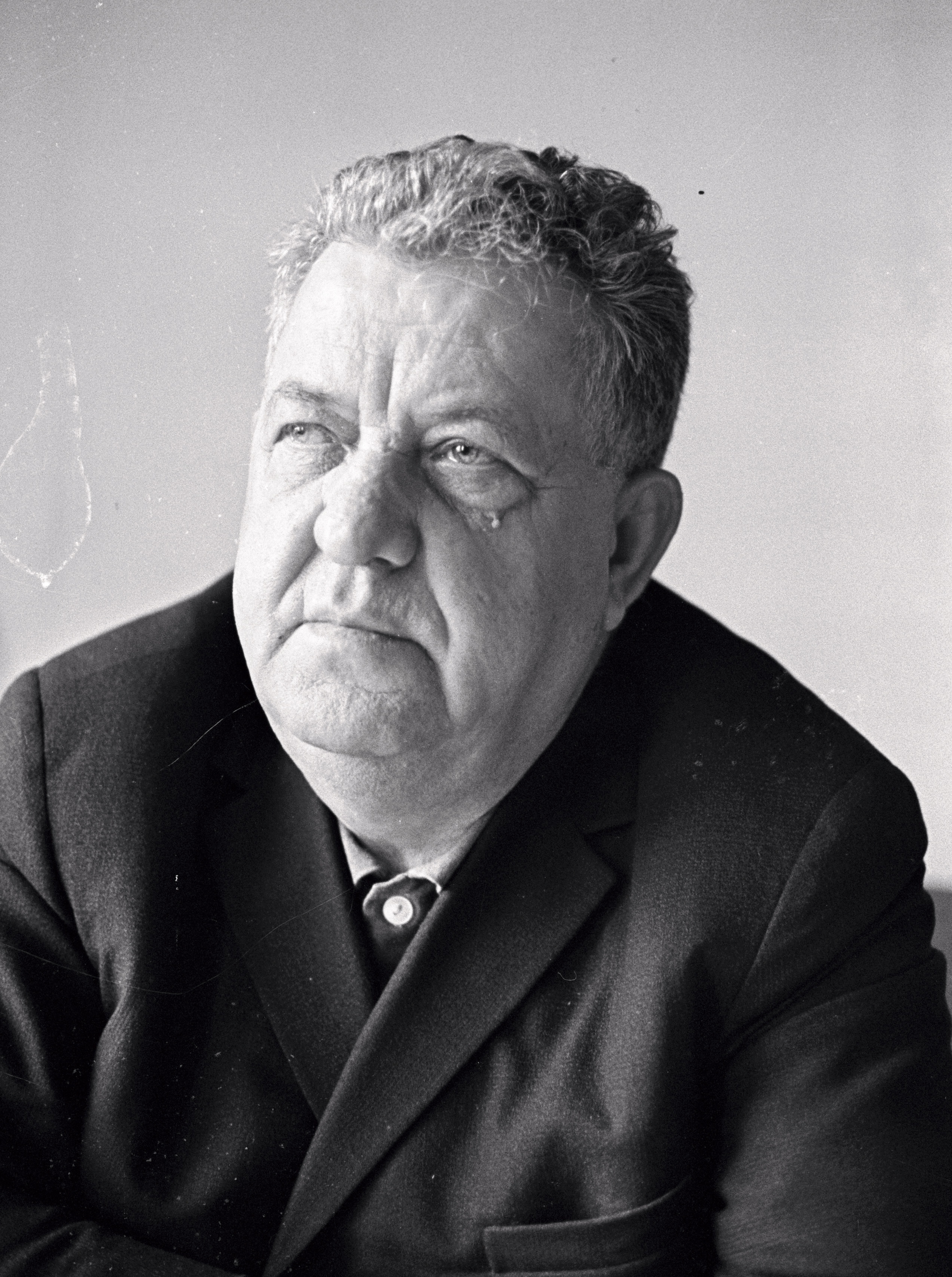 Serafim Timakov. Photo: National Archives
During the years of leadership of Nikita Khrushchev, there was a plan to somewhat decrease the centralisation of power in the Soviet Union. This mainly concerned the administration of the area of economy. The reorganisation also affected the statistical organisation. In 1960, the Statistical Administration of the ESSR was renamed as the Statistical Central Administration under the Council of Ministers of the ESSR, which was to be controlled both from Moscow and Tallinn. The statistical inspectorates of districts and towns (as an exception, an administration in Tallinn), which previously were directly subordinate to Moscow, were formally transferred under the SSR. Nevertheless, the statistical institution continued functioning in the administrative area of Moscow. More noteworthy was the machine accounting system of the Statistical Administration, established three years prior in 1957 in connection with the reorganisation of industry. Its task was to collect reports from industrial enterprises and construction organisations, to process these and publish the data. Later it was renamed as the National Accounting Centre, which could be considered as one of the most innovative units in the structure of the Soviet statistical system.
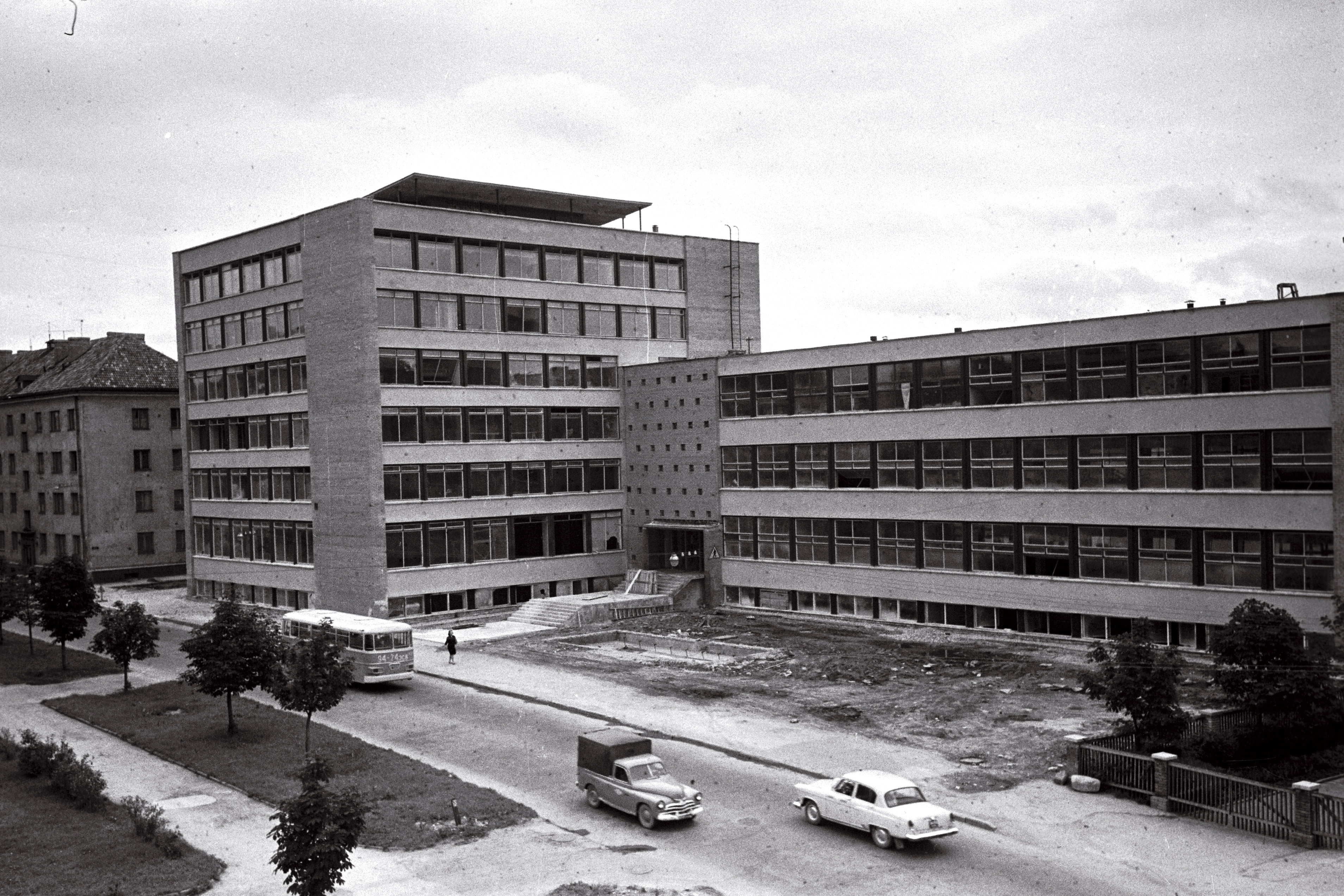
Statistical Central Administration building, completed in 1965, on Endla street in Tallinn. Photo: National Archives
In addition to Serafim Timakov, the Statistical Central Administration of the ESSR was headed by two other Communist Party functionaries with Russian experience: Georgi Kimask (1968–1984) and Aleksandr Zamahhin (1984–1989).
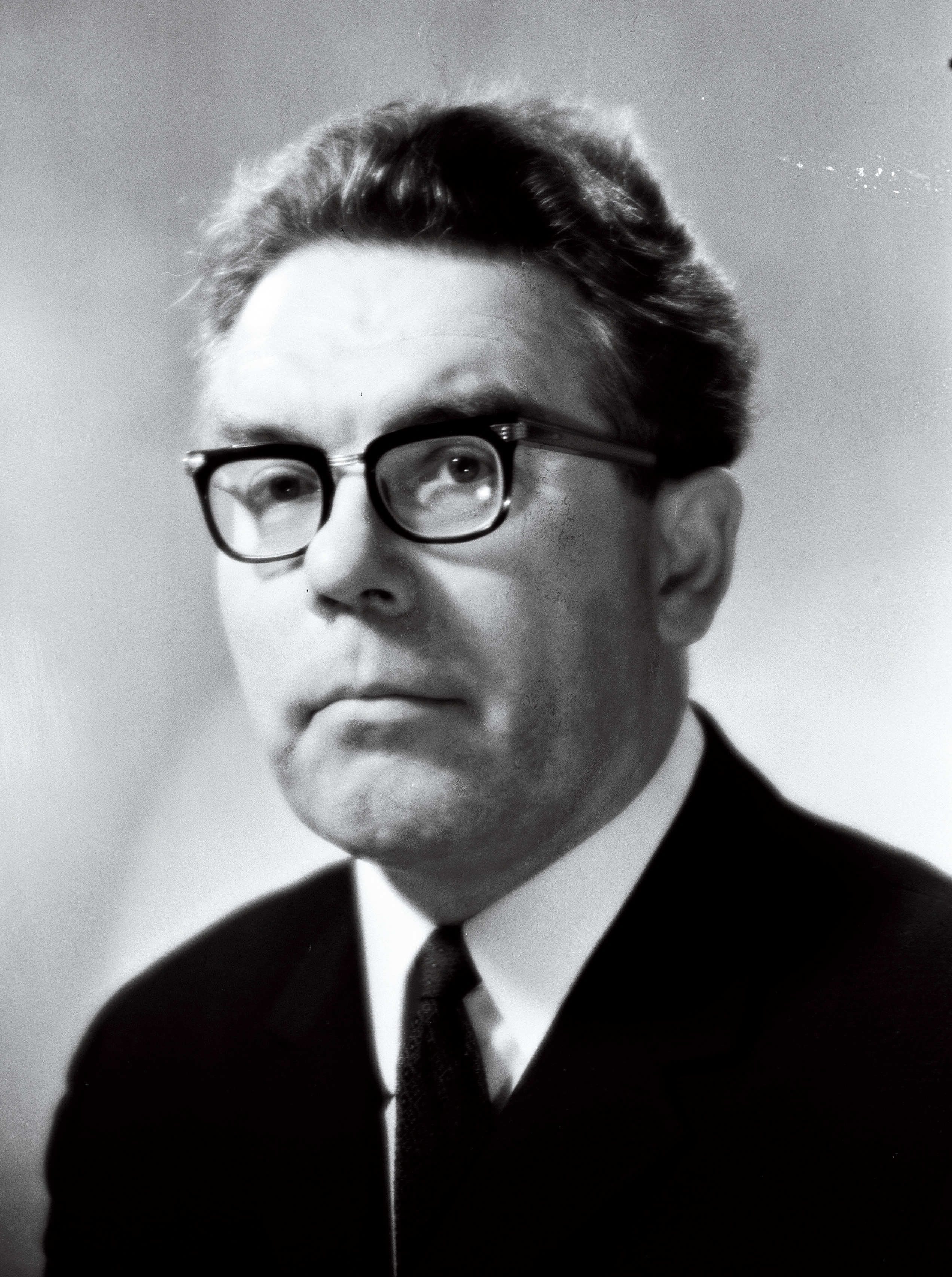 Georgi Kimask. Photo: National Archives
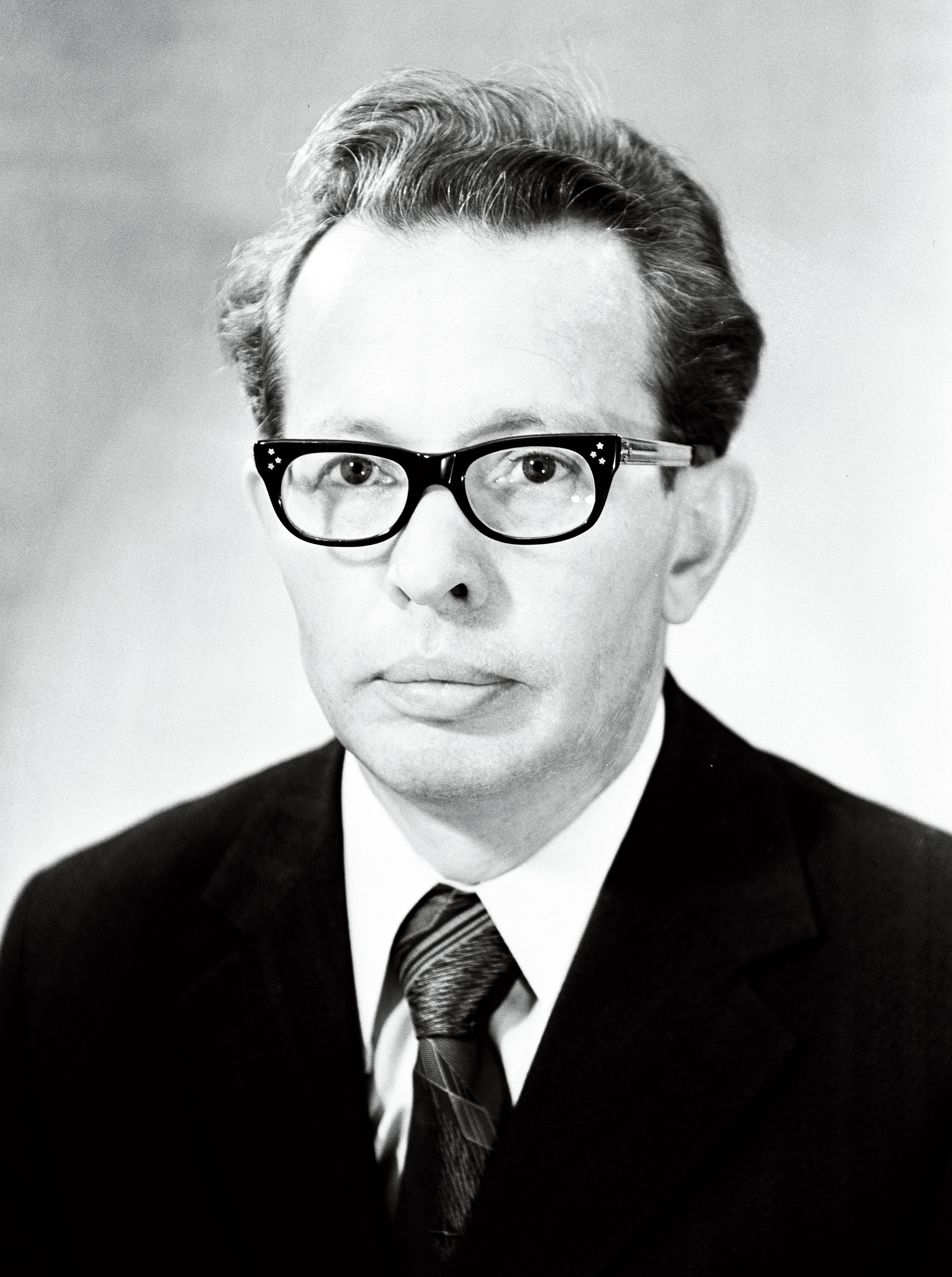 Aleksandr Zamahhin. Photo: National Archives
Both were engineering graduates: Russian-Estonian Kimask in the area of mechanical engineering and Zamahhin in metallurgy. As was typical of the time, they had also studied in the higher school of the Soviet Party in Moscow. Probably the most remarkable statistician of the post-war period Lembit Tepp (1930–2008) worked as their deputy in the 1970s and 1980s. He continued working in the statistical system also after Estonia regained independence, working as an advisor to the census service of Statistics Estonia.
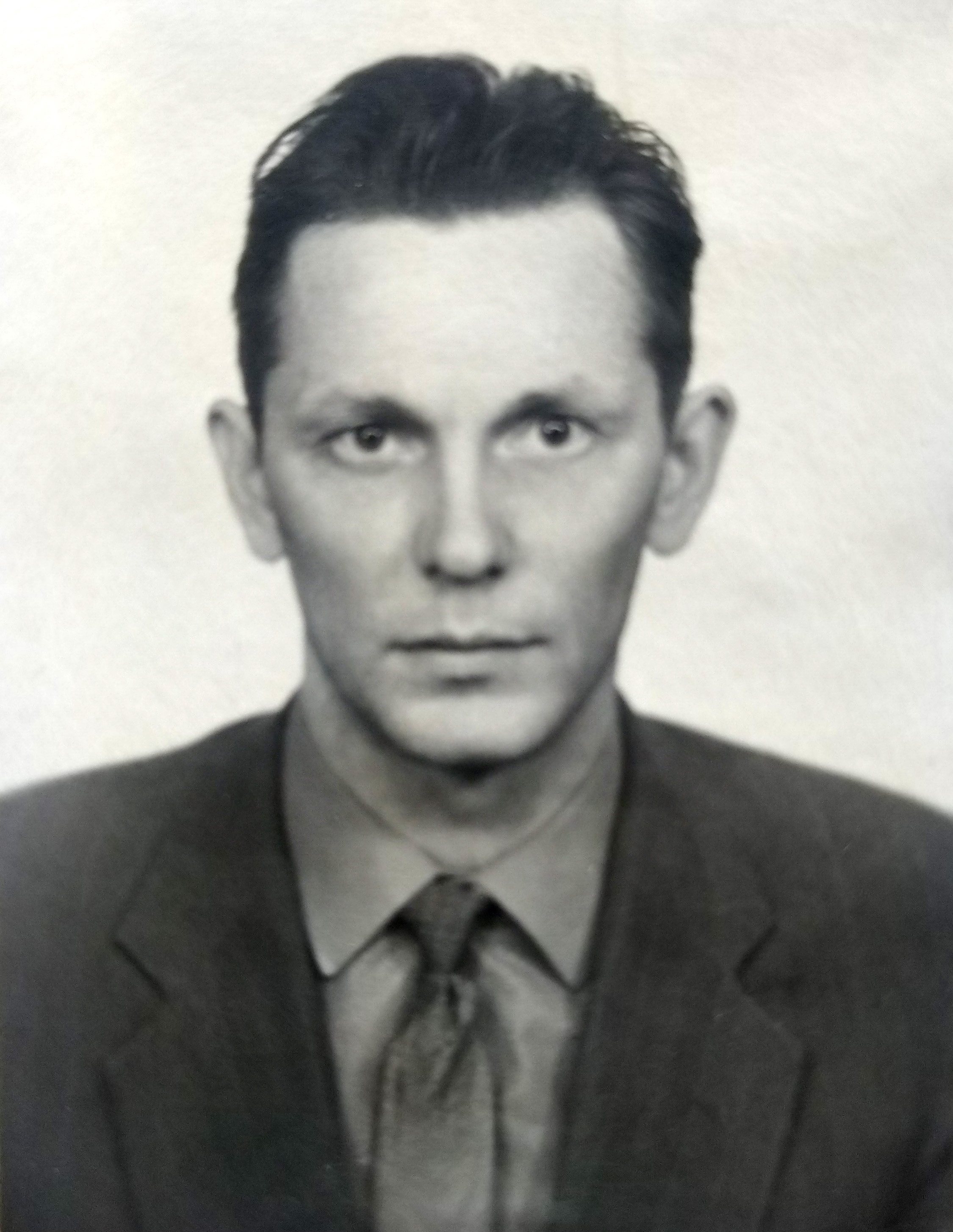 Lembit Tepp as a young man. Photo: National Archives