
Men at the helm of the State Statistical Central Bureau
Author: Olev Liivik
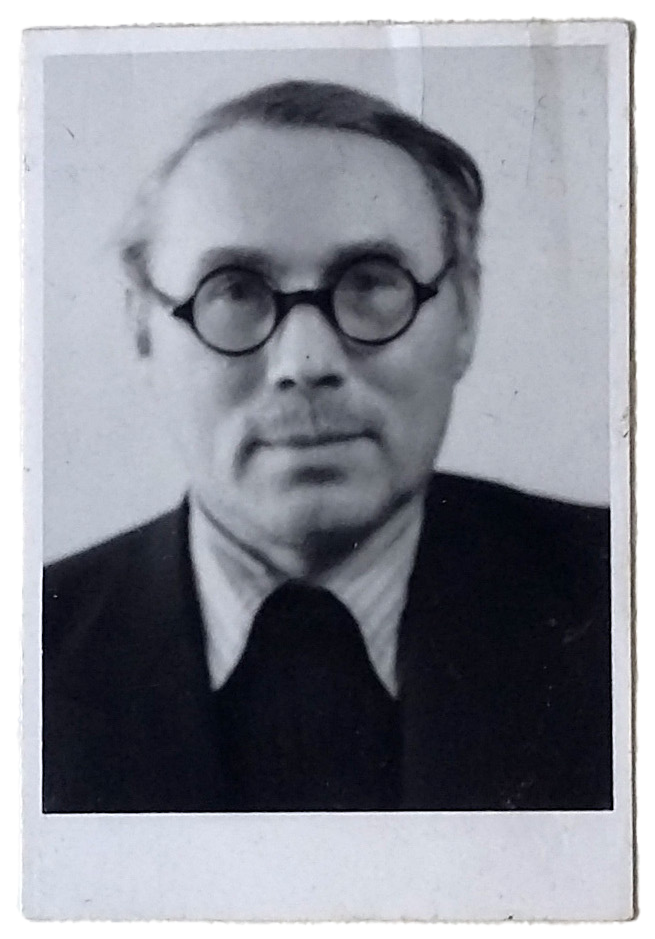
Albert Pullerits is the most well-known statistician from the interwar period of the Republic of Estonia. He was the director of the State Statistical Central Bureau (SSCB) for nearly twenty years. He was born in 1892 in Holstre rural municipality in Viljandi county. After finishing the local primary school, he attained secondary education at Pärnu Gymnasium. In 1911, he enrolled in the Agricultural Institute in St Petersburg, but his studies were cut short in 1915 due to the war. At the Institute, Pullerits took specialised statistics courses and gained practical know-how about the preparation and organisation of statistical surveys. He was drafted into the Russian army in 1915 and served as a foot soldier in the reserve regiment until spring 1917. From 1917 until 1920, he held several executive positions in statistical offices in Southern Russia – this meant working alternately for a White and then a Red administration, depending on which side was in power.
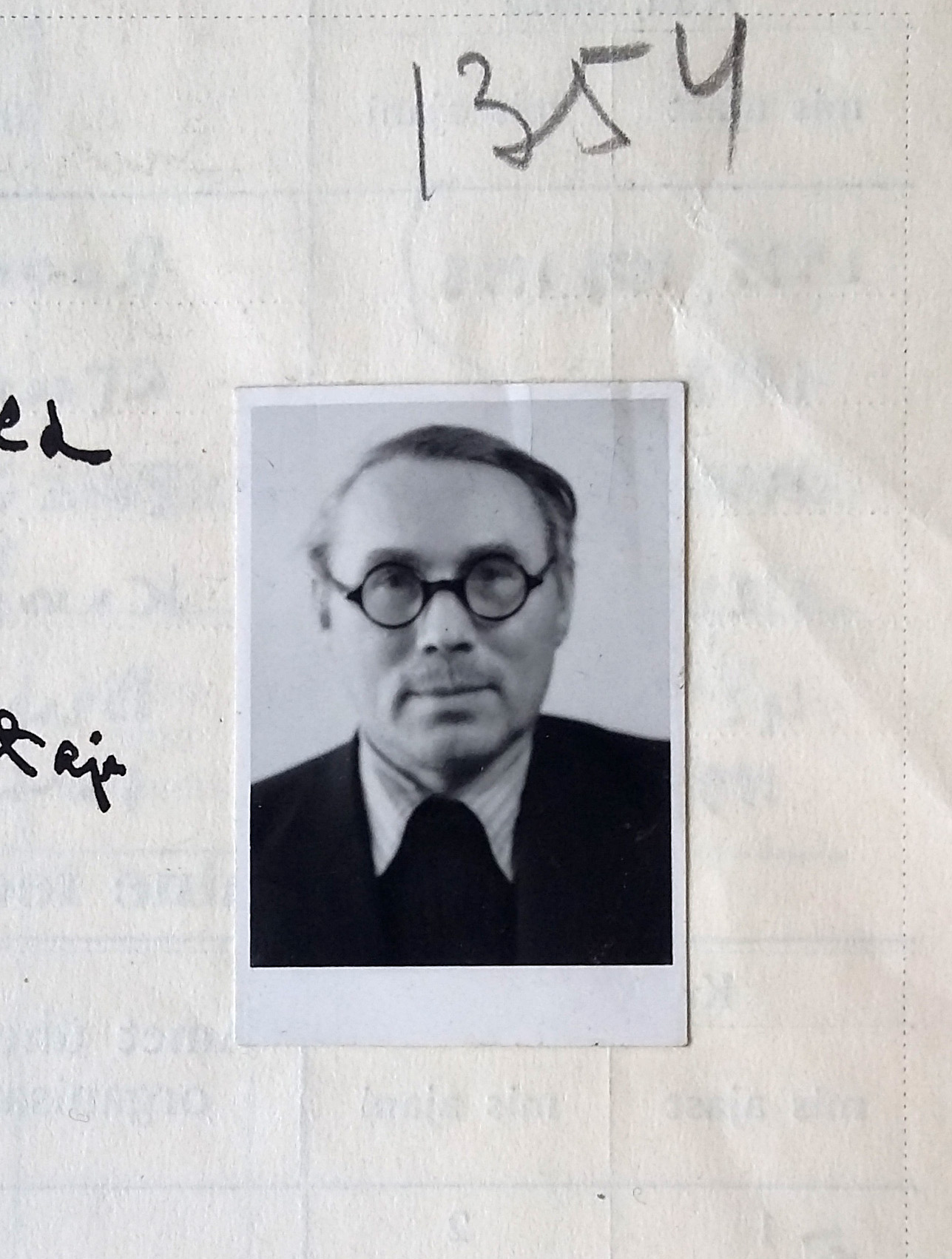 Albert Pullerits. Photo: National Archives
Estonia and Soviet Russia signed the Tartu Peace Treaty in 1920, after which tens of thousands of Estonians seized the opportunity to voluntarily opt for Estonian citizenship and resettle in Estonia. The Republic of Estonia was eager to welcome qualified specialists, many of whom would have done anything to escape from the Civil War ravaging Russia and the war communism policy adopted by the Bolshevik administration. Leaving Russia was especially crucial for people like Albert Pullerits and others who had been high-ranking officials in the service of the White movement, now defeated. Pullerits and his family returned to Estonia as optants in early 1921.
Soon after settling in Estonia, on 1 March 1921, Pullerits was appointed the acting head of the State Statistical Central Bureau (he became its director in 1922). He was one of the two first employees of the SSCB. As the director of the SSCB, he was in charge of developing the official statistical system, based on the principle of centralised statistical production.
Pullerits was an internationally renowned expert and represented Estonia in multiple organisations. Under his leadership, the SSCB published various reference books about Estonia that are still used and rated highly today.
First issue of the Monthly Bulletin of Estonian Statistics (1922)
Pullerits had great organisational skills and did much to promote statistics. Already in 1922, the SSCB started to publish a monthly bulletin of statistics (Eesti Statistika Kuukiri). He compiled and edited a number of reference books about Estonia, some also published in foreign languages. It was on his initiative that the Agricultural Trend Research Bureau was founded in 1930, with Pullerits as its chairman of the board. In 1935, this developed into the Estonian Institute of Economic Research and he was its first director until 1940, while simultaneously continuing at the helm of the State Statistical Central Bureau.
From the mid-1920s onwards, Pullerits became actively engaged in the international statistics scene. Among other things, he took part in the activities of the International Statistical Institute (ISI), the most prominent statistical organisation. He was elected a member of the ISI in 1926. After the occupation of Estonia, the State Statistical Central Bureau was abolished. But as Pullerits was a statistician, not a politician, he was able to continue working in the statistical system as the head of the agricultural department of the Statistical Administration of the Estonian SSR (known as the State Accounting Administration until 1941). After the occupation of Estonia by Germany, Pullerits was appointed the director of the Estonian Statistics Administration in autumn 1941. This meant that he played an important part in the conduct of the 1941 census.
In the autumn of 1944, Pullerits and his Russian wife Ludmilla fled to Germany, where their daughter was already settled. Their adult son remained in Estonia. After the war, Ludmilla and their daughter’s family emigrated to America, while Albert Pullerits stayed in Germany and was actively involved in the community of displaced Estonians. Until his death in 1967, he was on the board of the Estonian Society in Germany (a central organisation of Estonians), and also served as its chairman for a brief period.
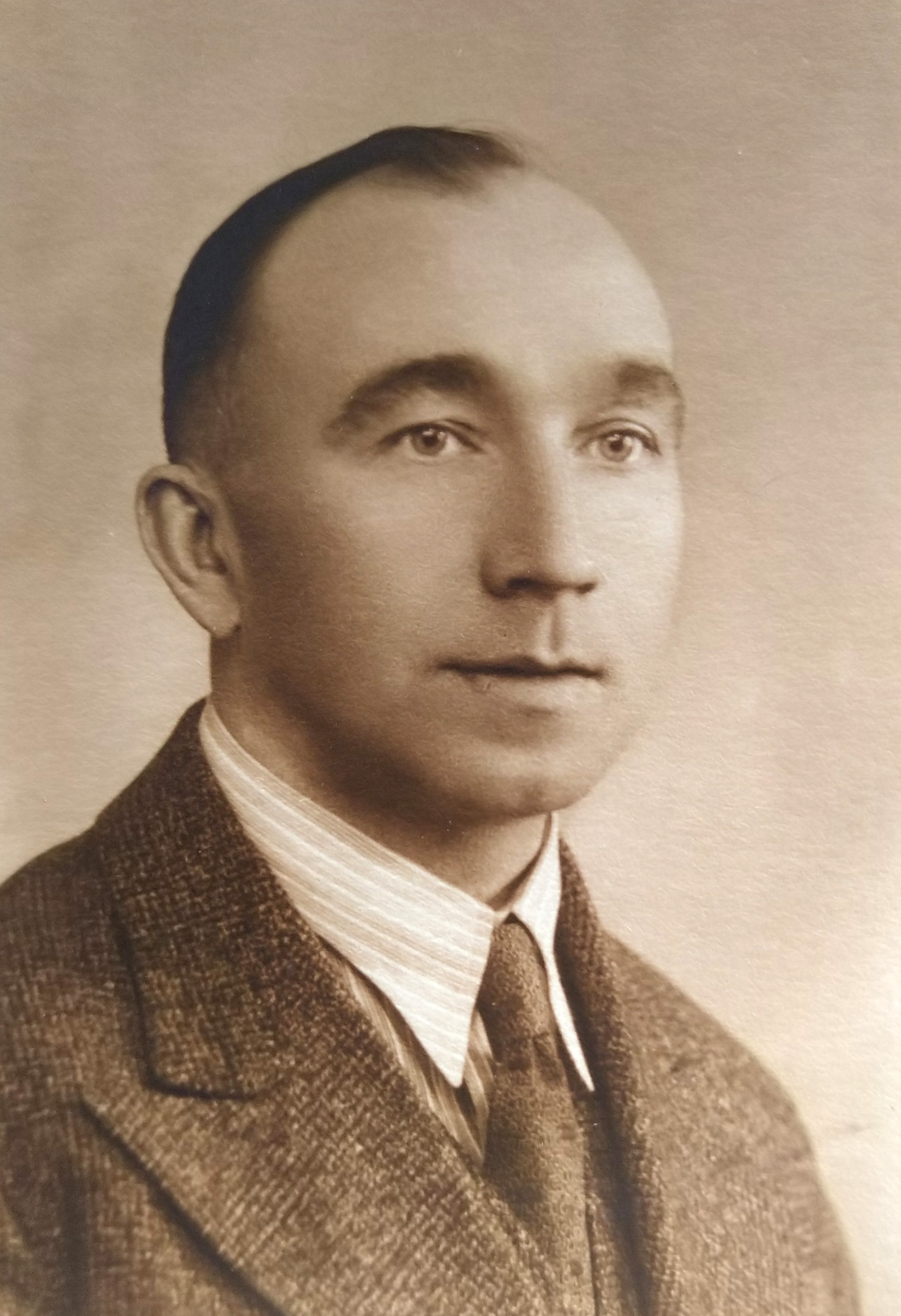 Anton Tooms. Photo: National Archives
Anton Tooms (1895–1983) was one of the closest colleagues of Albert Pullerits at the State Statistical Central Bureau and the Estonian Institute of Economic Research. Tooms also gained his first experience in the field of statistics in Russia – before returning as an optant in 1921, he was a head of department at the Statistical Central Administration in Moscow. At the SSCB, he started as the head of the general department and later became the deputy director. The surveys on prices, consumption and cost of living are considered his most important contributions to statistics. Following the occupation of Estonia, Tooms served briefly as the acting director of the State Accounting Administration and then worked at the State Publishing Centre. Like Pullerits, he also fled to Germany in 1944 and then emigrated to Canada.
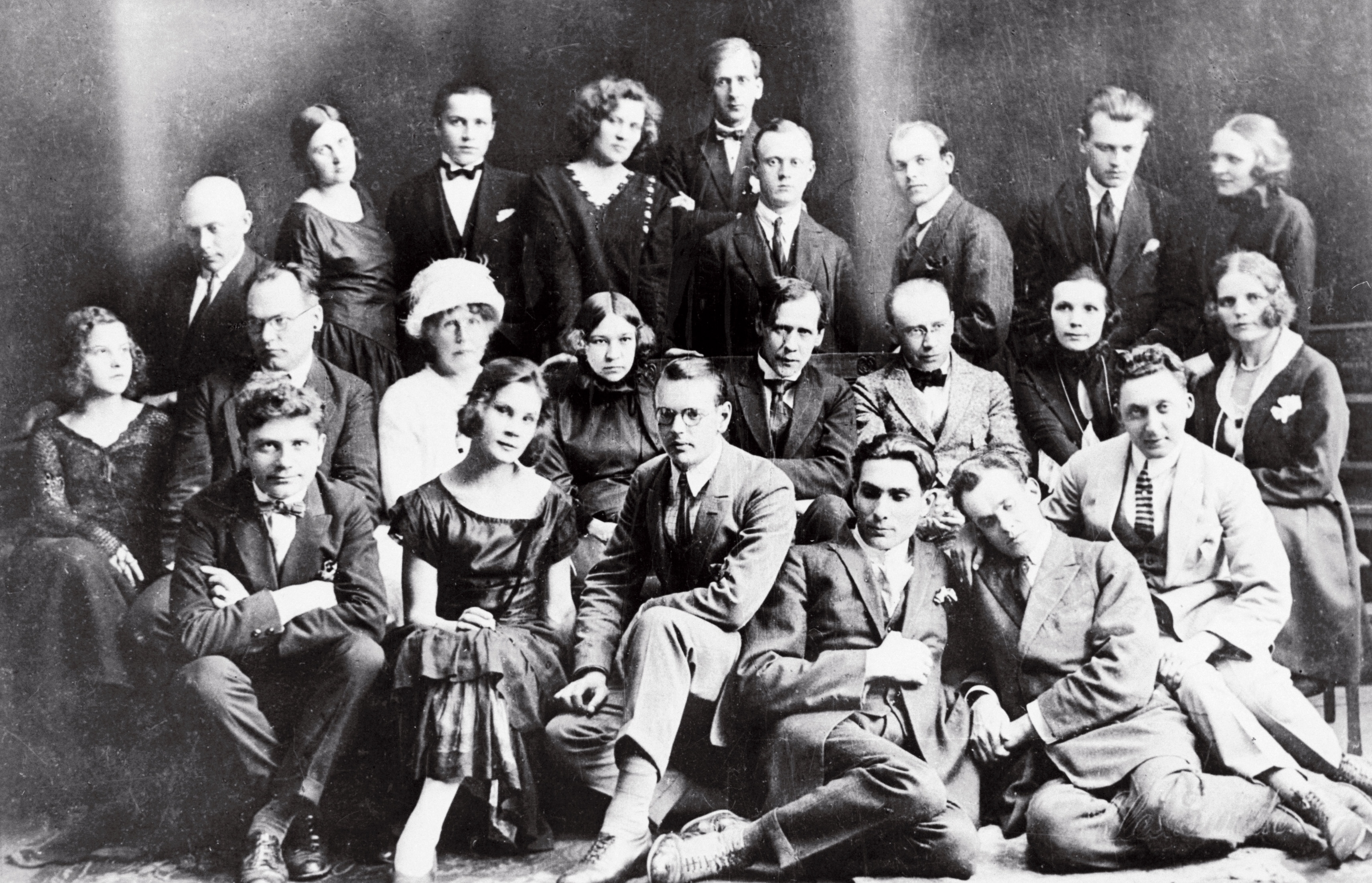 Hugo Reiman (second row, second person from left) and others from Draamastuudio acting school. He was the director of the acting school in 1923 and 1924–1927. Photo: National Archives
Hugo Reiman (1887–1954) was the third most important man at the State Statistical Central Bureau, after Pullerits and Tooms. As a young man, he was an active socialist (an SR or socialist revolutionary) and was sent to a forced labour camp in Russia for his political activism. In the early years of the Republic of Estonia, Reiman worked in several ministries. In 1923 he became the head of the general department at the SSCB. He was well-read and had many interests. He wrote research papers on demographic and health statistics, anthropology and philosophy. He was also involved in the co-operative movement and local theatre. After the occupation of Estonia, Reiman was a member of the Central Election Committee in summer 1940, and worked in the Planning Committee. He died in Tallinn.